
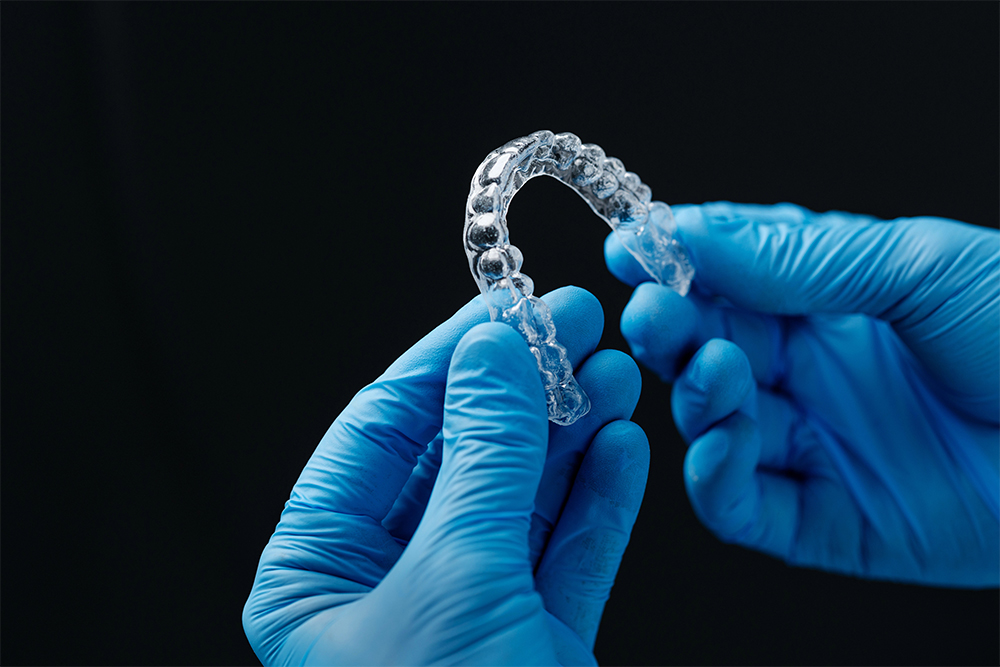
Starting Invisalign treatment can be exciting, especially when you’ve been thinking about straightening your teeth for years.
But the first few weeks can also bring questions.
Will the aligners feel strange? Will speaking be different? How uncomfortable will they be? Will eating become complicated? And how long will it take before wearing them feels normal?
These are reasonable questions.
For many patients, the first month is less about seeing dramatic changes in the mirror and more about adjusting to a new routine. Understanding what may happen during those early weeks can help you feel more prepared and confident.
QUICK ANSWER: WHAT SHOULD YOU EXPECT DURING YOUR FIRST MONTH OF INVISALIGN?
During the first month of Invisalign, patients commonly notice pressure or mild tenderness when beginning a new aligner set, increased awareness of the aligners, temporary speech changes, and adjustments to eating and oral hygiene routines.
These experiences vary by patient and treatment plan. Many people become more comfortable with their aligners as they develop consistent habits.
The first month is primarily an adjustment period, and a little patience can make the transition easier.
WEEK ONE: GETTING USED TO WEARING CLEAR ALIGNERS
The first several days are often when Invisalign feels the most unfamiliar.
You’re introducing something new into your mouth and asking your teeth to respond to controlled pressure.
You may notice:
- a snug feeling when inserting aligners
- mild tooth tenderness
- increased saliva or awareness of the appliance
- temporary changes in speech
- difficulty remembering to remove and reinsert aligners
These experiences are not identical for everyone.
Some patients adapt quickly, while others need more time.
Understanding Pressure and Tenderness
Invisalign aligners are designed to apply controlled forces that gradually move teeth.
Because of that, mild pressure or tenderness may occur when you begin wearing a new set.
However, severe or persistent pain should not simply be ignored. Contact your provider if discomfort is significant, an aligner is cutting into your tissues, or something doesn’t feel right.
Adjusting to Speech Changes
Some patients notice a temporary lisp or slight difference in pronunciation when they first begin treatment.
This often improves as the tongue becomes accustomed to the aligners.
Reading aloud or speaking normally throughout the day may help you adapt.
The first week is about becoming familiar with the aligners and learning what feels normal for your individual treatment.
WEEK TWO: FINDING YOUR INVISALIGN ROUTINE
By the second week, many patients begin feeling more comfortable managing aligners throughout the day.
Removing them before meals may become more automatic. You may become faster at cleaning your teeth and putting the aligners back in.
This is also when you begin learning which routines work best with your schedule.
Eating and Drinking Take More Planning
You can continue enjoying many of your usual foods because the aligners are removed for meals.
However, you’ll need to account for the time they spend out of your mouth.
That may mean being more intentional about meals rather than frequently removing aligners for small snacks.
Water is generally the easiest beverage to enjoy while wearing Invisalign.
Oral Hygiene Becomes More Intentional
Because aligners cover the teeth for much of the day, cleaning your mouth before reinserting them becomes an important habit.
Dr. Coates recommends flossing before brushing.
Flossing helps remove plaque and food debris from between teeth, while brushing afterward helps clean the remaining surfaces.
If you’re away from home, keeping a travel toothbrush and aligner case nearby can make the process more convenient.
As your routine becomes more familiar, Invisalign often starts feeling less like an interruption and more like a normal part of your day.
WEEKS THREE AND FOUR: NOTICING YOUR PROGRESS
By the third or fourth week, many patients have become more comfortable with the daily responsibilities of Invisalign.
You may feel more confident removing and inserting aligners, managing meals, and following your prescribed wear schedule.
Depending on your treatment plan, you may also have started using additional aligner sets.
Will You See Your Teeth Moving Yet?
Some patients notice subtle changes early in treatment.
Others don’t see visible differences during the first month.
Both experiences can be normal.
Orthodontic tooth movement happens gradually, and visible changes depend on which teeth are being moved and the sequence of your treatment plan.
The absence of a dramatic visual difference doesn’t necessarily mean your treatment isn’t working.
Your provider monitors progress based on tooth movement, aligner fit, and the overall treatment plan—not simply what you notice in the mirror.
New Aligners May Feel Snug Again
Even after you’ve adjusted to wearing aligners, a new set may create renewed pressure or tenderness.
That doesn’t mean you’ve gone backward.
Each set is designed to guide additional movement according to your plan.
The first month is often when the daily routine becomes easier, even if the visible results are still developing.
WHAT CAN MAKE THE FIRST MONTH EASIER?
A few practical habits can make a meaningful difference.
Keep Your Aligner Case with You
Always store removed aligners in their protective case.
This helps prevent loss, accidental disposal, and damage.
Follow Your Prescribed Wear Schedule
Many Invisalign patients are instructed to wear aligners approximately 20–22 hours daily.
Your provider may give instructions specific to your treatment, so follow those rather than relying on general recommendations.
Don’t Rush Aligner Changes
Follow the schedule you’ve been given, even if an aligner begins feeling comfortable.
Changing sets early without professional guidance can interfere with the planned movement.
Ask Questions When Something Feels Unusual
Mild pressure may be expected, but significant pain, damaged aligners, poor fit, or other concerning symptoms deserve professional attention.
You don’t have to determine the cause on your own.
For additional practical guidance, our article on common Invisalign mistakes and how to avoid them explains several habits that can help prevent unnecessary interruptions.
Small adjustments during the first month can make the remainder of treatment feel much more manageable.
YOUR FIRST MONTH IS JUST THE BEGINNING
Starting Invisalign is a process of learning.
You’re becoming accustomed to the aligners, developing new habits, and beginning the gradual tooth movements that your treatment plan is designed to accomplish.
Some patients adapt quickly. Others need a little more time.
Neither experience determines how successful treatment will be.
What matters most is following your provider’s instructions, staying consistent with daily wear, keeping your teeth and aligners clean, and asking questions when something doesn’t feel right.
If you’re considering treatment and want to understand what your first few weeks might look like, learning more about personalized Invisalign and clear aligner treatment options can help you make an informed decision.
Schedule a consultation with Dr. Stephen Coates, DDS to discuss whether Invisalign is appropriate for your smile and what you can expect during treatment.
ADDITIONAL QUESTIONS ABOUT THE FIRST MONTH OF INVISALIGN
Does Invisalign hurt during the first week?
Some patients experience mild tenderness or pressure, especially when beginning a new aligner set. Experiences vary. Significant or persistent pain should be discussed with your provider.
How long does it take to get used to Invisalign?
Many patients become more comfortable over the first several days or weeks, although the adjustment period varies. Developing a consistent routine can make wearing aligners feel more natural.
Will Invisalign affect my speech?
Some patients notice temporary speech changes, such as a slight lisp, when first wearing aligners. These changes often improve as the tongue adapts.
Can I see results after one month of Invisalign?
Some patients notice subtle changes during the first month, while others may not see visible differences yet. The timing depends on the treatment plan and which teeth are being moved.
Is it normal for a new Invisalign aligner to feel tight?
A snug feeling or mild pressure can be expected when starting a new set. However, an aligner that doesn’t seat properly, causes significant discomfort, or appears damaged should be evaluated by your provider.


