
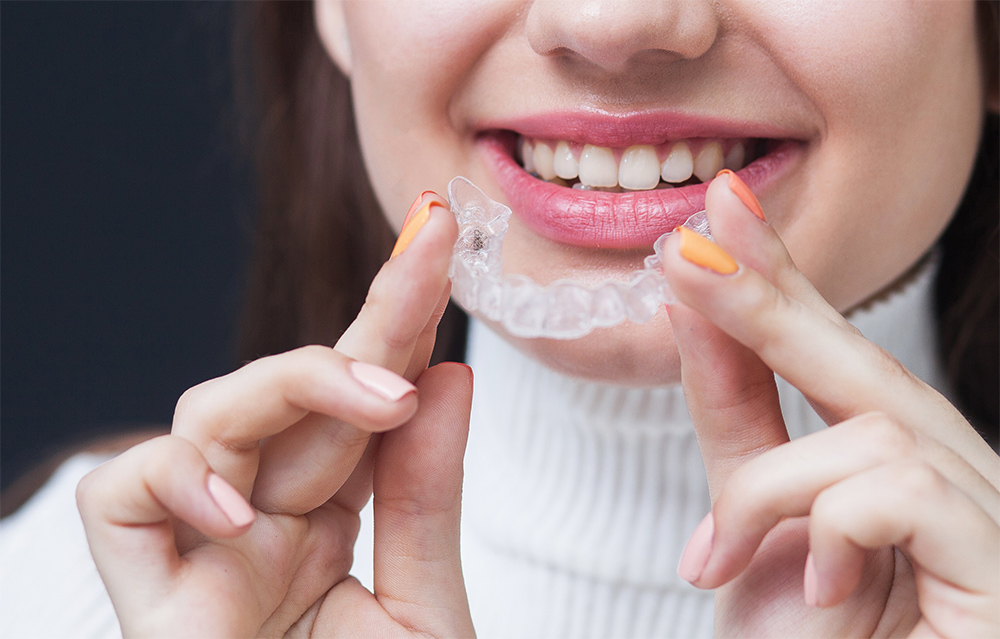
Life doesn’t slow down just because you’re straightening your teeth.
Between work, family responsibilities, travel, social events, and everything else competing for your attention, keeping up with Invisalign treatment can sometimes feel like one more task on an already full schedule.
You may start treatment feeling excited about your future smile, only to discover that remembering your aligners, managing meals, and keeping everything clean requires more planning than you expected.
That’s completely understandable.
The good news is that Invisalign treatment is designed to fit into everyday life. While consistency is essential, a few practical habits can make wearing and caring for your aligners feel much more manageable.
QUICK ANSWER: HOW CAN YOU STAY CONSISTENT WITH INVISALIGN?
The best way to stay consistent with Invisalign is to build aligner care into routines you already follow. Wear your aligners for the amount of time prescribed by your orthodontic provider, remove them for meals and drinks other than plain water, clean your teeth before reinserting them, and keep your aligner case accessible.
For many Invisalign patients, the recommended wear time is approximately 20–22 hours per day, although your specific instructions should always take priority.
The easier your routine is to repeat, the easier it becomes to stay on track with treatment.
BUILD INVISALIGN INTO YOUR EXISTING DAILY ROUTINE
One of the most common challenges with Invisalign isn’t the aligners themselves. It’s remembering all the small steps that come with wearing them.
Rather than treating aligner care as a separate responsibility, connect it to activities you already do every day.
Make Your Morning Routine Predictable
Start your morning by removing your aligners before breakfast.
After eating, complete your oral hygiene routine before putting them back in.
Dr. Coates recommends flossing first, followed by brushing. This helps loosen food debris and bacterial plaque between the teeth before brushing removes the loosened material.
Clean your aligners according to your provider’s instructions before reinserting them.
Following the same sequence each morning reduces the number of decisions you need to make.
Create a Simple Mealtime Routine
Eating out, grabbing lunch between meetings, or attending a family gathering can make aligner management more challenging.
Try following the same process each time:
- Remove your aligners before eating.
- Place them in their protective case.
- Enjoy your meal.
- Clean your teeth when possible.
- Reinsert your aligners promptly.
If you’re unable to brush immediately, rinsing your mouth with water can help temporarily, but it shouldn’t routinely replace proper oral hygiene.
Keep Your Evening Routine Consistent
Before bed, finish eating and drinking anything other than water, then floss and brush thoroughly.
Clean your aligners as directed and wear them overnight.
A predictable evening routine can be especially helpful because nighttime provides several uninterrupted hours of aligner wear.
Connecting Invisalign care to meals, morning hygiene, and bedtime helps make treatment part of everyday life rather than another task to remember.
MANAGING INVISALIGN AT WORK, SCHOOL, AND WHILE TRAVELING
A busy schedule doesn’t have to interfere with successful orthodontic treatment.
It simply helps to plan ahead.
Keep a Small Invisalign Kit with You
Consider carrying a compact kit containing:
- Your aligner case
- A travel toothbrush
- Fluoride toothpaste
- Dental floss
- Any cleaning supplies recommended by your provider
Having these items available can make it easier to manage meals away from home.
Plan Around Social Events
Dinner parties, celebrations, and restaurant meals are all normal parts of life.
You don’t need to avoid them during Invisalign treatment.
Remove your aligners before eating, store them safely, and put them back in after completing your oral hygiene routine.
Try not to leave aligners out longer than necessary, particularly during events where eating and drinking continue over several hours.
Be Prepared When Traveling
Travel can disrupt even the best routines.
Pack your aligner supplies in your carry-on bag or another easily accessible location. If you’re traveling across time zones, continue following your provider’s wear and aligner-change instructions.
It’s also helpful to confirm whether you should bring your previous aligner set or an additional set when traveling.
A little preparation makes it easier to maintain treatment consistency even when your schedule changes.
AVOID SMALL HABITS THAT CAN INTERRUPT YOUR PROGRESS
Invisalign is convenient, but convenience can sometimes make it tempting to become less consistent.
For example, you might remove your aligners for coffee and forget to put them back in, leave them out during a long lunch, or skip part of your cleaning routine because you’re tired.
Occasional disruptions happen.
The key is to avoid letting them become regular habits.
A few simple reminders can help:
- Set a phone reminder after meals if you tend to forget your aligners.
- Always store aligners in their case rather than wrapping them in a napkin.
- Avoid repeatedly removing aligners for unnecessary snacks.
- Follow your prescribed aligner-change schedule.
- Contact your dental provider if an aligner is lost, damaged, or no longer fits properly.
If you’ve worn your aligners less than prescribed, don’t automatically advance to the next set to catch up. Ask your provider how to proceed.
Treatment consistency is built through small daily choices, not by expecting every day to go perfectly.
HEALTHY HABIT SPOTLIGHT: LET YOUR ALIGNER CASE BECOME YOUR REMINDER
One of the simplest Invisalign habits is also one of the most useful:
Whenever your aligners come out, they go directly into their case.
This reduces the chances of accidentally throwing them away, leaving them behind at a restaurant, or damaging them.
Keeping your case in a predictable location also creates a visual reminder to reinsert your aligners.
If you’re interested in understanding the treatment process itself, learning more about clear aligner treatment and Invisalign orthodontic options can help you see how consistent wear supports your overall treatment plan.
CONSISTENCY TODAY SUPPORTS YOUR FUTURE SMILE
Invisalign treatment requires commitment, but it doesn’t need to take over your life.
By connecting aligner care to your existing routines, preparing for meals away from home, and developing a few reliable habits, you can make treatment easier to manage.
If you’re considering Invisalign but wondering whether it would fit your schedule, a consultation can help you understand the responsibilities involved before making a decision.
And if you’re already wearing aligners and struggling with consistency, discussing those challenges with your dental team can help you find practical solutions.
Schedule an appointment with Dr. Stephen Coates, DDS to learn how Invisalign treatment may fit into your lifestyle and smile goals.
ADDITIONAL QUESTIONS ABOUT STAYING CONSISTENT WITH INVISALIGN
How many hours per day should I wear Invisalign?
Many Invisalign treatment plans recommend approximately 20–22 hours of daily wear. Your provider’s specific instructions should guide your routine.
What happens if I forget to wear my aligners for several hours?
Extended time without aligners can interfere with planned tooth movement. Reinsert them as directed and contact your provider if they feel unusually tight, don’t fit properly, or you’ve missed substantial wear time.
Can I drink coffee while wearing Invisalign?
It’s generally best to remove your aligners for coffee. Hot beverages can affect aligner material, while coffee may cause staining. Plain water is the safest beverage to drink while wearing aligners.
Should I change aligners early if my current set feels comfortable?
No. Follow the schedule provided by your dental professional. Feeling comfortable doesn’t necessarily mean the planned tooth movement is complete.
What if my Invisalign routine becomes difficult to maintain?
Talk with your provider. Identifying the specific challenges—such as meals, work schedules, travel, or discomfort—can help you develop a more manageable routine.


