
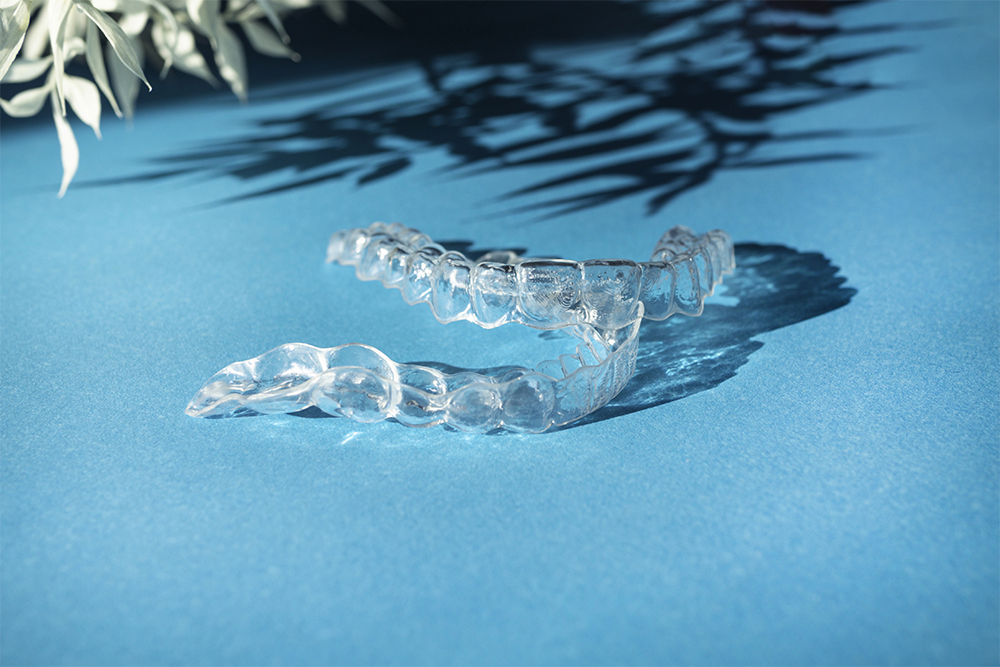
Invisalign offers a convenient way to straighten teeth without traditional brackets and wires, but successful treatment still depends on following the plan.
Some patients assume that because clear aligners are removable, there’s plenty of flexibility in how and when they wear them. Others begin treatment with the best intentions but develop small habits that make the process more difficult than necessary.
The encouraging news is that many common Invisalign mistakes are preventable.
Understanding what to avoid can help you protect your aligners, maintain good oral hygiene, and support the tooth movements your treatment is designed to achieve.
QUICK ANSWER: WHAT ARE THE MOST COMMON INVISALIGN MISTAKES?
Common Invisalign mistakes include wearing aligners for fewer hours than prescribed, forgetting to reinsert them after meals, eating or drinking inappropriate beverages while wearing them, neglecting oral hygiene, storing aligners improperly, and changing aligner sets without following professional instructions.
Most of these challenges can be reduced by creating consistent routines and communicating with your dental provider when something doesn’t go as planned.
Successful Invisalign treatment is less about complicated rules and more about following a few essential habits consistently.
MISTAKE #1: NOT WEARING ALIGNERS LONG ENOUGH
One of Invisalign’s biggest advantages is that the aligners are removable.
That flexibility also creates responsibility.
Many patients are instructed to wear their aligners approximately 20–22 hours each day, removing them primarily for eating, drinking beverages other than water, and oral hygiene.
When aligners are repeatedly left out for longer periods, teeth may not move according to the planned schedule.
This can contribute to poor aligner fit or delays that require adjustments to treatment.
How to Avoid It
Keep track of how long your aligners are out during meals.
Try to avoid unnecessary removal, and consider using reminders if you frequently forget to reinsert them.
If you’ve missed significant wear time, contact your provider rather than trying to make up for it by changing aligners early.
Consistent daily wear is one of the most important ways to support predictable Invisalign progress.
MISTAKE #2: EATING OR DRINKING WITHOUT REMOVING ALIGNERS
It’s easy to forget you’re wearing clear aligners, especially once they become comfortable.
However, eating while wearing Invisalign aligners can damage them.
Food can also become trapped between the aligners and teeth, making cleaning more difficult.
Most beverages other than plain water should be consumed after removing the aligners. Hot drinks may distort aligner material, while sugary or acidic beverages can become trapped against the teeth.
How to Avoid It
Make removing your aligners part of your normal mealtime routine.
Store them in their case, enjoy your food or drink, and complete your oral hygiene routine before putting them back in.
If you cannot brush immediately, rinse your mouth with water and clean your teeth as soon as practical.
Removing aligners for meals helps protect both the appliances and the teeth underneath them.
MISTAKE #3: NEGLECTING ORAL HYGIENE DURING TREATMENT
Clear aligners cover much of the tooth surface while they’re being worn.
That makes oral hygiene especially important.
If food debris or plaque remains on the teeth when aligners are reinserted, it may stay against the tooth surfaces for an extended period.
Over time, inadequate cleaning can increase the risk of cavities, gum irritation, and bad breath.
How to Avoid It
Continue brushing thoroughly twice daily and flossing every day.
Dr. Coates recommends flossing first to loosen plaque and food debris, followed by brushing.
Clean your aligners according to your provider’s instructions, too.
Avoid assuming that cleaning the aligners alone is enough. Your teeth and gums still need their regular attention.
Keeping both your teeth and aligners clean supports oral health throughout orthodontic treatment.
MISTAKE #4: LEAVING ALIGNERS SOMEWHERE UNSAFE
Many lost Invisalign aligners share a similar story.
They were wrapped in a napkin during lunch, placed on a restaurant table, left in a pocket, or accidentally thrown away.
Other aligners are damaged by pets or exposed to excessive heat.
These situations can be frustrating, particularly when you’re trying to stay on schedule.
How to Avoid It
Use your protective case every time you remove your aligners.
Avoid wrapping them in tissues or placing them directly on surfaces where they can be forgotten or damaged.
Keep the case in a consistent location whenever possible.
If an aligner is lost or damaged, contact your provider for instructions. Don’t assume you should automatically move to the next set.
A simple storage habit can prevent one of the most avoidable interruptions in Invisalign treatment.
MISTAKE #5: CHANGING ALIGNERS WITHOUT FOLLOWING YOUR TREATMENT PLAN
As you become comfortable with Invisalign, you may notice that a particular aligner feels less tight than it did initially.
That doesn’t necessarily mean it’s time to move ahead.
Your treatment schedule is based on planned tooth movements, not simply how tight or loose an aligner feels.
Advancing early or continuing to wear an ill-fitting aligner without guidance can interfere with the treatment plan.
How to Avoid It
Follow the aligner-change schedule provided by your dental professional.
If an aligner doesn’t seat properly, feels unusually uncomfortable, or appears to be fitting differently than expected, contact your provider.
Don’t try to force an aligner into position or modify it yourself.
Following your prescribed schedule helps keep treatment decisions connected to your individual orthodontic plan.
MISTAKE #6: ASSUMING INVISALIGN REQUIRES NO PROFESSIONAL FOLLOW-UP
Because Invisalign treatment takes place largely at home, some patients underestimate the importance of scheduled dental appointments.
However, clear aligner treatment still requires professional monitoring.
Your provider needs to evaluate how teeth are moving, whether aligners fit properly, and whether any adjustments are necessary.
Routine oral health care also remains important throughout treatment.
How to Avoid It
Attend your recommended orthodontic follow-up visits and continue appropriate preventive dental care.
If you develop tooth pain, gum irritation, bite changes, or concerns about aligner fit, mention them rather than waiting until the end of treatment.
Professional monitoring and consistent home care work together to support your treatment.
AVOIDING MISTAKES STARTS WITH UNDERSTANDING YOUR TREATMENT
Invisalign can be an excellent orthodontic option for appropriate patients, but removable aligners still require daily responsibility.
Wearing them consistently, removing them for meals, maintaining oral hygiene, storing them safely, and following your treatment schedule can all make the experience more manageable.
If you’re considering clear aligners, understanding how Invisalign treatment works and what patients can expect can help you decide whether the approach fits your needs and lifestyle.
And if you’re already in treatment and something isn’t going as expected, you don’t need to guess your way through it. Your dental team can help you understand the next step.
Schedule a consultation with Dr. Stephen Coates, DDS to discuss Invisalign treatment, aligner care, or questions about your orthodontic progress.
ADDITIONAL QUESTIONS ABOUT COMMON INVISALIGN MISTAKES
Can wearing Invisalign less than recommended delay treatment?
Yes. Inconsistent wear may prevent teeth from moving according to the planned schedule, potentially requiring additional time or treatment adjustments.
What should I do if I accidentally eat with my aligners in?
Remove the aligners, inspect them for damage, and clean your teeth and aligners appropriately. Contact your provider if an aligner is cracked, distorted, or no longer fits properly.
Can I clean Invisalign aligners with hot water?
Avoid hot water because excessive heat may distort the aligner material. Follow your provider’s cleaning instructions and use water at an appropriate temperature.
Is it okay to skip an Invisalign aligner set?
Not unless your provider specifically instructs you to do so. Each set is designed around planned tooth movement, and skipping ahead may create fit or tracking problems.
What if my Invisalign aligners stop fitting properly?
Contact your dental provider. Poor fit may indicate that tooth movement isn’t following the planned sequence or that the aligner has been damaged. Your provider can determine the appropriate next step.


